Wiki
Build Your Backrooms Wiki
Build Your Backrooms wiki hub for rooms, monsters, buildings, visitors, cash logic, source labels and Roblox game facts.
Confirmed scope
Game facts this site can safely use
| Fact area | Current wording |
|---|---|
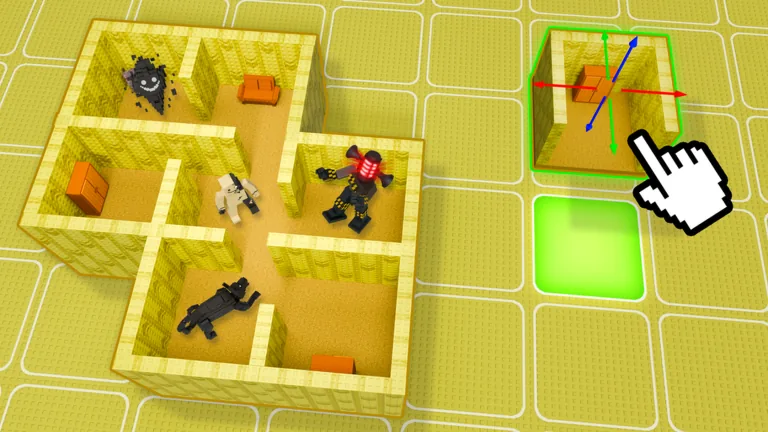
| Core loop | Build a backrooms-style maze, let people enter it, place monsters, catch people and use the result to earn more cash. |
| Collection layer | The official description mentions cool buildings and strong monsters as part of the cash progression loop. |
| Exploration | Players can enter their own maze or another player's maze to explore, so readable routing matters. |
| Offline behavior | The official Roblox description says monsters can catch people even offline. Treat exact offline rates as unverified until retested in game. |
Wiki map
What this guide should track next
| Area | Useful fields | Evidence status |
|---|---|---|
| Rooms and paths | Route shape, dead ends, branch control, visitor readability | Playable guide data |
| Monsters | Placement timing, traffic coverage, observed catch behavior | Needs repeated checks |
| Buildings | Collection and cash progression context from the official description | Identity confirmed, values unverified |
| Visitors and cash | Entry flow, catch loop, offline behavior note | Exact numbers not claimed |
| Codes | Active, expired and unverified status buckets | Fresh retest required |
| Updates | Roblox metadata, thumbnails, description text and in-game UI changes | Retest after visible change |
Maze strategy
Build order that matches the game loop
| Decision | Recommended move | Why it matters |
|---|---|---|
| Opening shape | Single compact path | Best when you are learning visitor movement and monster timing. |
| First monster | Place on proven traffic | Put it after visitors already enter the route, not in a decorative side room. |
| First expansion | One branch at a time | Expansion is good only if the main route still works after the branch is added. |
| Cash discipline | Retest before spending | If you cannot repeat catches, buying more space makes the problem harder to diagnose. |
Update watch
When the guide needs to change
| Trigger | Required action |
|---|---|
| Roblox description change | Recheck homepage facts, wiki summary and guide assumptions. |
| Thumbnail or icon change | Refresh media ledger and compare whether the game is presenting a new mechanic. |
| Code rumor appears | Test source, redemption UI and reward result before moving anything to active. |
| Room or monster behavior changes | Retest the starter route and update monster placement advice before broad copy edits. |
Visual evidence
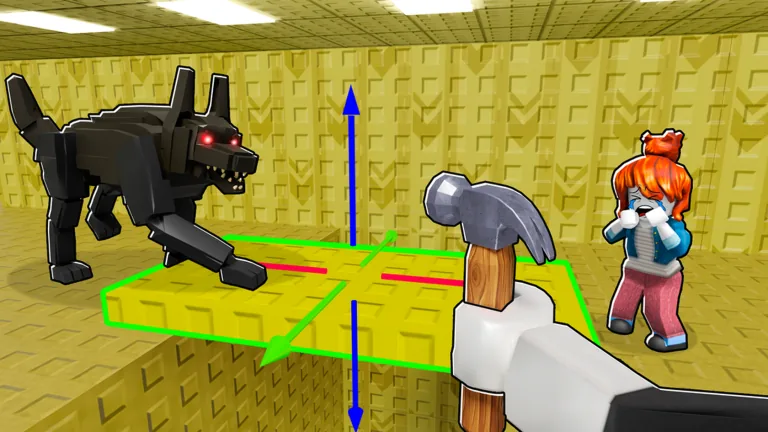
Real Roblox media, with gameplay claims kept separate
What belongs in the wiki first
The wiki should begin with categories that affect player decisions: rooms and paths, monsters, buildings, visitors, cash behavior, codes and updates. Each category should explain what is confirmed, what is observed and what still needs a retest. That gives the site a useful structure before thin entity pages are created.
Why exact values are not invented
A new Roblox game can change balance quickly. If exact monster values, building prices or catch rates are not verified from repeatable play or a strong source, the wiki should not invent them. It is better to publish a clear pending field than to create numbers that players may optimize around incorrectly.
How entity pages should work later
A future monster or building page should include a stable name, where it appears, what it changes in the route, what source supports the claim, when it was checked and which guide decision it affects. That keeps the wiki connected to gameplay instead of becoming a list of empty names.
How the wiki supports guides
The wiki is the evidence layer behind the guide. When a route recommendation changes, the wiki should show which room, monster, building or update caused the change. When the wiki gains a stronger source, guide pages should link back to that evidence instead of repeating unsupported claims.
Run one clean test before changing the build
Use the wiki hub with one controlled in-game test. Change one thing at a time, such as the route shape, monster position or code claim being checked. If several things change at once, the result may feel useful but it will not tell you which decision actually improved the Build Your Backrooms run.
Separate screenshots from repeatable facts
A screenshot can prove that a UI state existed, but it does not always prove a stable mechanic. For guide decisions, prefer facts that can be repeated by more than one player or confirmed again after a Roblox metadata change. This is especially important for rewards, economy behavior and monster placement advice.
Keep the first recommendation conservative
When evidence is incomplete, the guide should recommend the lower-risk player action. For example, skipping an unverified code wastes less time than promoting a fake reward, and building a compact maze is safer than telling players to copy a complex layout with no source behind it.
Update tables before rewriting articles
When something changes, the fastest useful repair is usually a table row, status note or checklist item. Long article rewrites can wait until the changed fact is stable. That keeps returning players from reading old advice while the broader guide is still being improved.
Turn repeated observations into wiki entries
If the same room behavior, monster placement result or cash-loop pattern appears across multiple checks, it can move from a guide note into the wiki map. That is how the site should grow: repeated play evidence first, structured wiki entry second, longer explanatory page only when the topic deserves it.
Action checklist
What this page should help you finish
| Situation | Player action |
|---|---|
| Adding a room note | Record what the room changes in the route, how it was observed and whether another player can repeat it. |
| Adding a monster note | Separate appearance, placement advice and exact values. Exact values need stronger evidence than a placement tip. |
| Adding a building note | Tie the building to cash progression or route decisions instead of listing it as an empty name. |
| Creating a detail page | Create one only when the entity has enough verified information to help a player decide what to do next. |
A Build Your Backrooms guide is only worth keeping if it saves a player a failed check, a wasted code attempt or a confusing maze rebuild. This checklist is the standard for future updates: every new claim should either improve a code decision, clarify a route decision, strengthen a wiki record or explain why an update changed the advice.
Frequently Asked Questions
Are there active Build Your Backrooms wiki codes?
Only codes with a source, a redemption method and a fresh check are marked active. Unverified claims are not promoted as active rewards.
Is BuildYourBackrooms.blog official?
No. This is an independent fan guide and wiki with clear source labels and an affiliation disclaimer.
How often should Build Your Backrooms wiki information be checked?
During a fast Roblox discovery window, codes and update pages should be checked within hours when new metadata or in-game evidence appears.
Why are some Build Your Backrooms facts marked unverified?
The label protects players from copied claims, fake rewards, invented values and mechanics that cannot be repeated in game.